Manufacturing Month: Building Maine's Future Workforce Starts in Our CTE Classrooms

As Maine celebrates Manufacturing Month, the Maine Administrators of Career and Technical Education (MACTE) and the Manufacturers Association of Maine (MAME) highlight the growing interest in career and technical education and the important role Maine's CTE centers play in preparing the next generation of skilled workers.
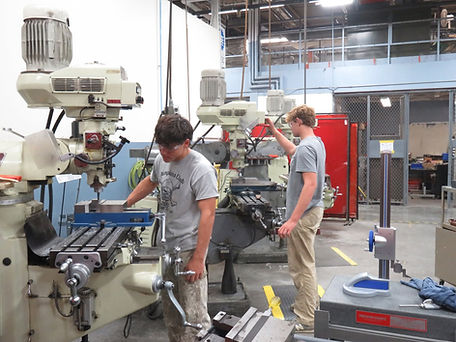
October is Manufacturing Month, an opportunity to recognize the businesses, employees and industries that contribute so much to Maine's economy. It's also a chance to look ahead at the next generation of workers who will keep these industries moving forward.
Manufacturing in Maine includes everything from shipbuilding and forest products to aerospace components, medical devices, precision machining and advanced materials. These industries offer opportunities for students with a wide range of interests, whether they enjoy building things, solving problems, working with technology or designing new products.
According to the Manufacturers Association of Maine (MAME), manufacturing supported approximately 51,300 jobs and contributed $8.25 billion to Maine's economy in 2025. But like many industries across the state, manufacturing faces a growing need for skilled workers. A 2025 Advanced Manufacturing Workforce Strategy identified a potential shortage of up to 3,100 manufacturing workers by 2028, driven in part by experienced employees retiring or moving into other occupations.
For Maine's 27 career and technical education (CTE) centers and regions, this presents an important opportunity to help students discover rewarding careers while supporting the workforce needs of businesses in their own communities.
And students are showing a growing interest in technical education.
According to enrollment data provided by the Maine Department of Education, enrollment in Maine's CTE programs increased from 8,177 in 2018 to 11,498 in 2026, an increase of more than 40%. That growth is particularly evident in programs connected to the skilled trades. Welding Technology enrollment increased from 362 students in 2018 to 521 in 2026, a nearly 44% increase.
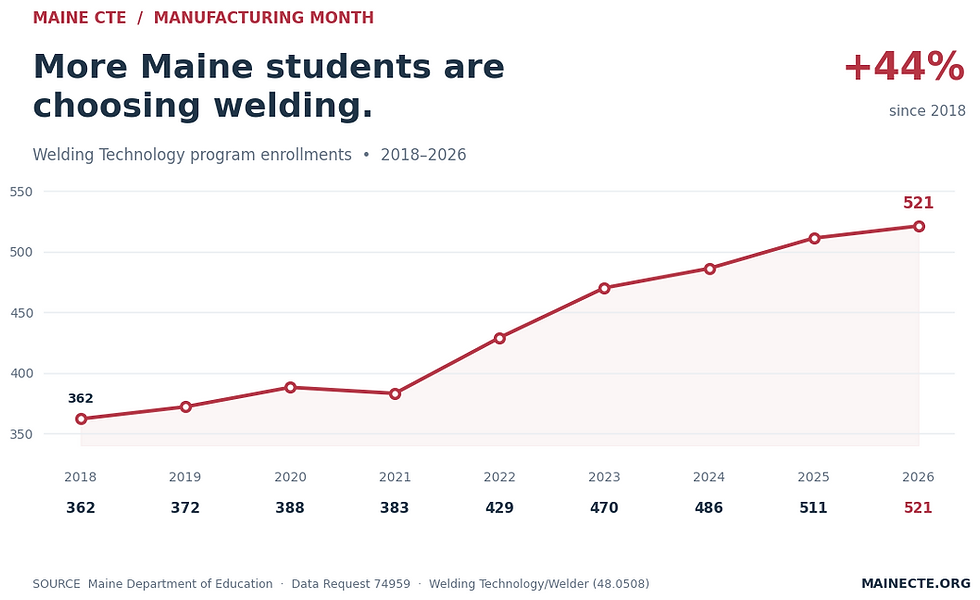
These numbers reflect the growing interest in hands-on learning and the opportunities CTE provides for students to explore their interests while preparing for life after high school.
Across Maine, students are learning to weld, operate machinery, read technical drawings, troubleshoot equipment and solve problems. They're developing technical skills alongside communication, teamwork, reliability and workplace safety, all qualities employers look for in their future workforce.
And as manufacturing continues to evolve, those skills remain essential. MAME estimates that approximately two-thirds of Maine manufacturers have yet to implement automation. While emerging technologies are creating new opportunities, many businesses continue to depend on workers with strong foundations in machining, welding, maintenance and production. Students who develop these skills while gaining exposure to new technologies will be well-positioned to contribute to Maine's manufacturing future.
"Manufacturing offers tremendous opportunities for Maine students, and our industry needs the next generation of skilled workers," said John Lewis, Executive Director of the Manufacturers Association of Maine. "We need to introduce students to emerging technologies while making sure they have a strong foundation in the skills manufacturers rely on every day. Partnerships between CTE schools and employers are essential to helping students understand these career opportunities and preparing them for success."
Those opportunities can also lead to rewarding, well-paying careers. According to 2025 Maine occupational wage estimates from the U.S. Bureau of Labor Statistics, machinists earn a median annual wage of approximately $59,160, welders earn $62,220 and industrial machinery mechanics earn $72,310. These figures represent statewide occupational medians across experience levels, rather than starting salaries, but they demonstrate the earning potential available in manufacturing-related careers.
For some students, CTE provides a foundation for entering the workforce directly after high school. Others continue their education through apprenticeships, industry certifications, community college or four-year degree programs. A student who begins learning welding or machining in high school may eventually advance into specialized technical positions, engineering, supervision or management. The opportunity to explore these career paths while still in high school is one of the many benefits of career and technical education.
"Behind the growth in CTE enrollment are dedicated educators who bring years of industry experience and passion into their classrooms," said Amy Marston, Executive Director Consultant for MACTE. "Our CTE instructors are doing incredible work, helping students discover their interests, develop real-world skills and see opportunities for their futures that they may not have considered before. Manufacturing Month is a great opportunity to shine a light on that work and the impact our educators are having on students across Maine."
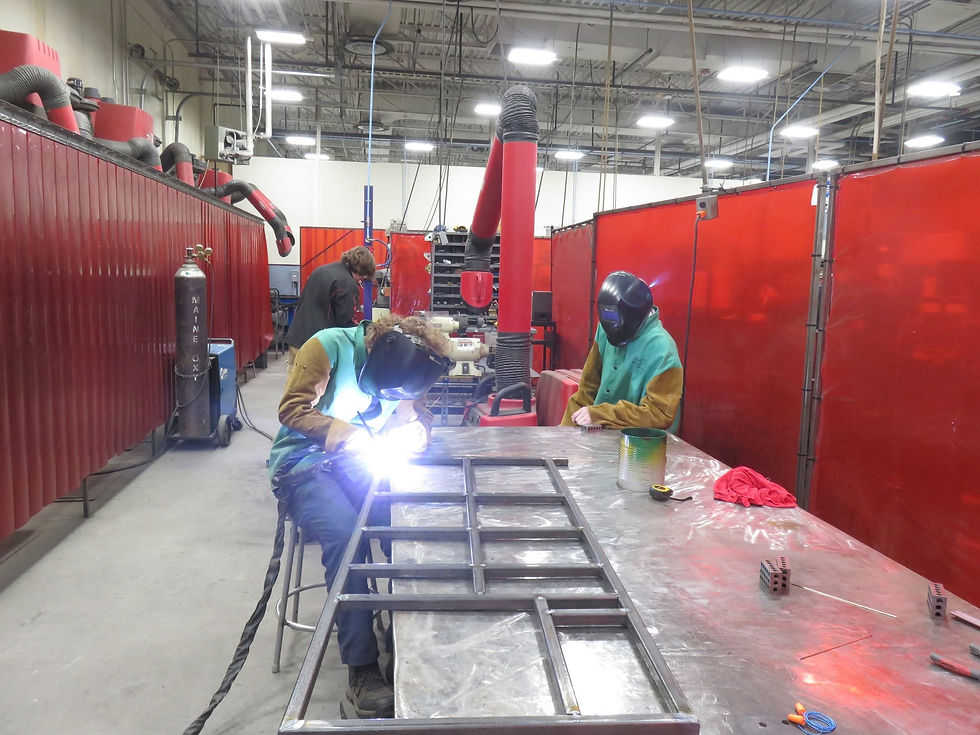
For manufacturers, getting involved with and supporting local CTE centers is an opportunity to introduce students to their businesses and help develop their future workforce. For students, those relationships can open doors to career opportunities they might not otherwise know exist. MAME is helping strengthen these connections through manufacturing tours, educator externships and registered apprenticeship opportunities. The association also supports expanding pre-apprenticeship pathways in manufacturing-related CTE programs, helping students move from technical education into employment and continued training.
These efforts align closely with MACTE's work to strengthen relationships between Maine's CTE centers and the employers who depend on skilled workers.
As Maine celebrates Manufacturing Month, there is much to recognize, from the businesses that contribute billions to our economy to the dedicated educators and students preparing for the industry's future. With CTE enrollment continuing to grow and employers looking for the next generation of talent, there is tremendous opportunity to build on the work already happening in classrooms and workshops across the state.
MACTE thanks the Manufacturers Association of Maine for sharing its industry research and insights and for its continued commitment to connecting Maine's manufacturers with career and technical education.
Learn more about the Manufacturers Association of Maine's Advanced Manufacturing Workforce Strategy and explore Maine's CTE programs at MaineCTE.org.


Comments